Best Coffee
Best Monsooned Malabar Coffee UK 2026
22 coffees · 18 UK roasters · from £19/kg · ranked by value
Monsooned Malabar is an Indian coffee aged in open-sided warehouses on the Malabar coast, where humid monsoon winds swell the beans pale and strip out almost all their acidity. The result is heavy body, deep earthy-chocolate flavour and thick crema — which is why the style anchors so many classic espresso blends. These are the monsooned single origins and Malabar-based blends from UK roasters, ranked by price per kilo. Every price below is per kilo so you can compare like for like, and links go straight to the roaster.


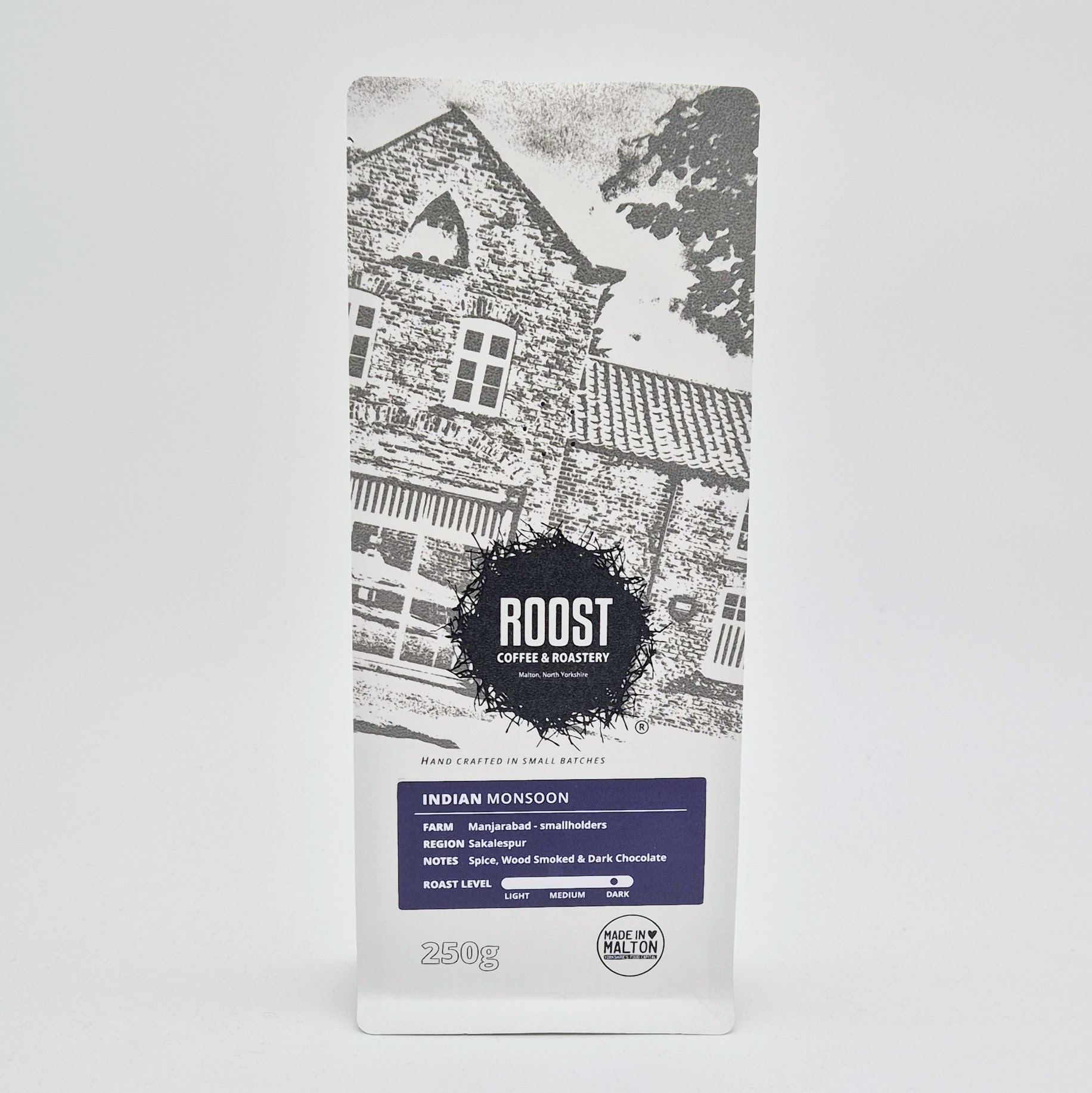


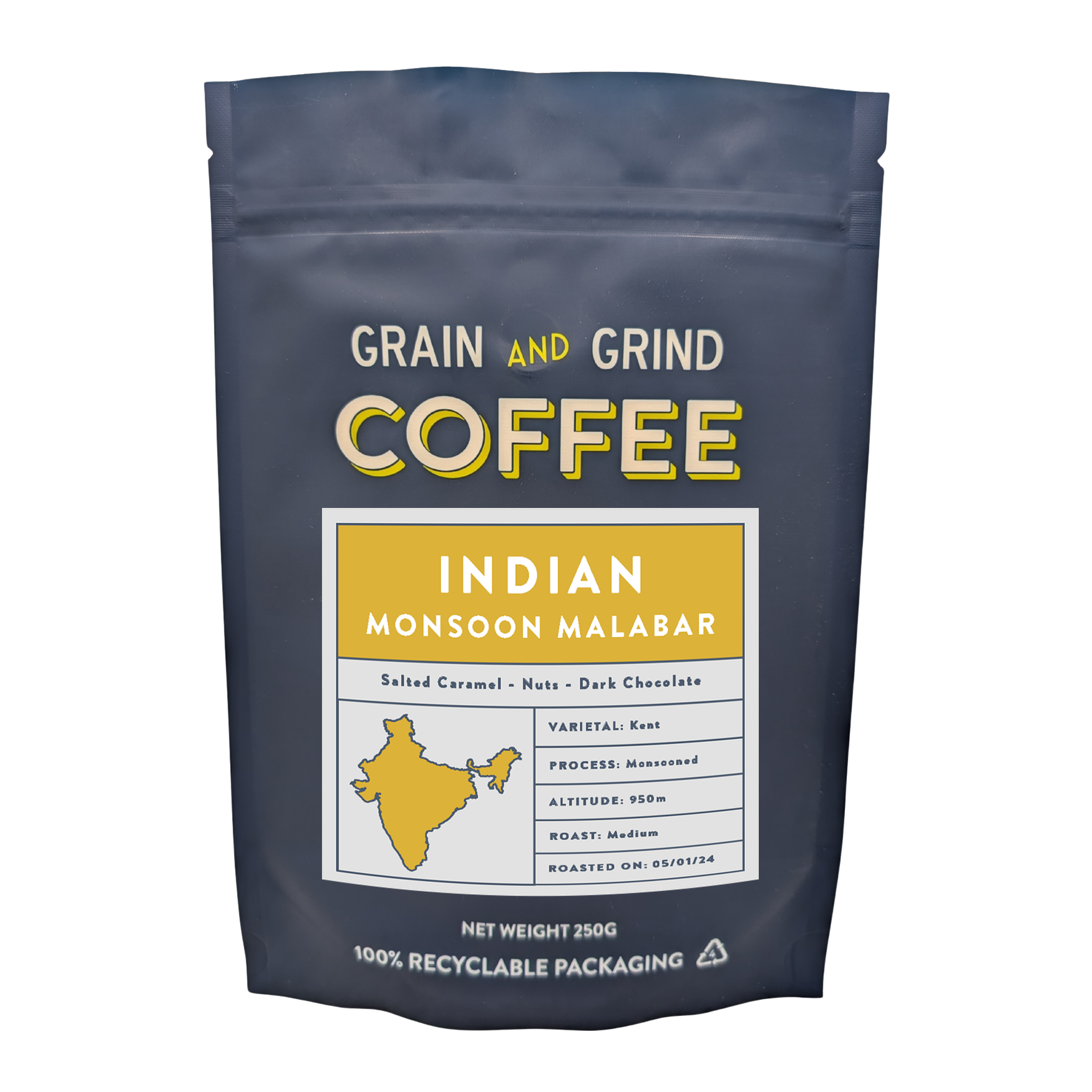


Keep comparing
Monsooned Malabar, explained
Monsooning is a deliberate ageing process unique to India’s south-west coast. Freshly hulled beans are spread in open-walled warehouses through the monsoon season and turned by hand for weeks while humid sea air swells them, turns them pale gold, and strips out most of their acidity. What’s left is what the style is famous for: very heavy body, flavours of dark chocolate, earth, spice and malt, and a dense crema that traditional espresso blends have borrowed for decades. It is a love-it-or-leave-it cup — if you find modern light roasts sharp and thin, monsooned coffee is the opposite pole. Look for Monsoon Malabar AA as a single origin, or espresso blends built on a Malabar base; we ordered and reviewed one of those blends ourselves — the review is linked above.
Frequently asked questions
- What does Monsooned Malabar taste like?
- Heavy-bodied and almost acid-free: dark chocolate, earth, tobacco and malty spice rather than fruit or florals. It’s the signature base of traditional Italian-style espresso.
- Is Monsooned Malabar good for espresso?
- It’s one of the classic espresso components. The low acidity and big body produce thick crema and cut through milk, which is why so many UK roasters use it in their espresso blends as well as selling it straight.
- Why is it called monsooned?
- The process recreates what happened by accident on sailing-ship voyages from India to Europe, when months of humid sea air transformed the green beans in the hold. Producers on the Malabar coast now reproduce that effect on purpose in coastal warehouses during the monsoon.